
Training The Leaders of Tomorrow
The CentroNía Institute disseminates research on best practices in early education and equips educators and caregivers with professional development, credentials, and ongoing support that elevates the quality of early learning across our communities.
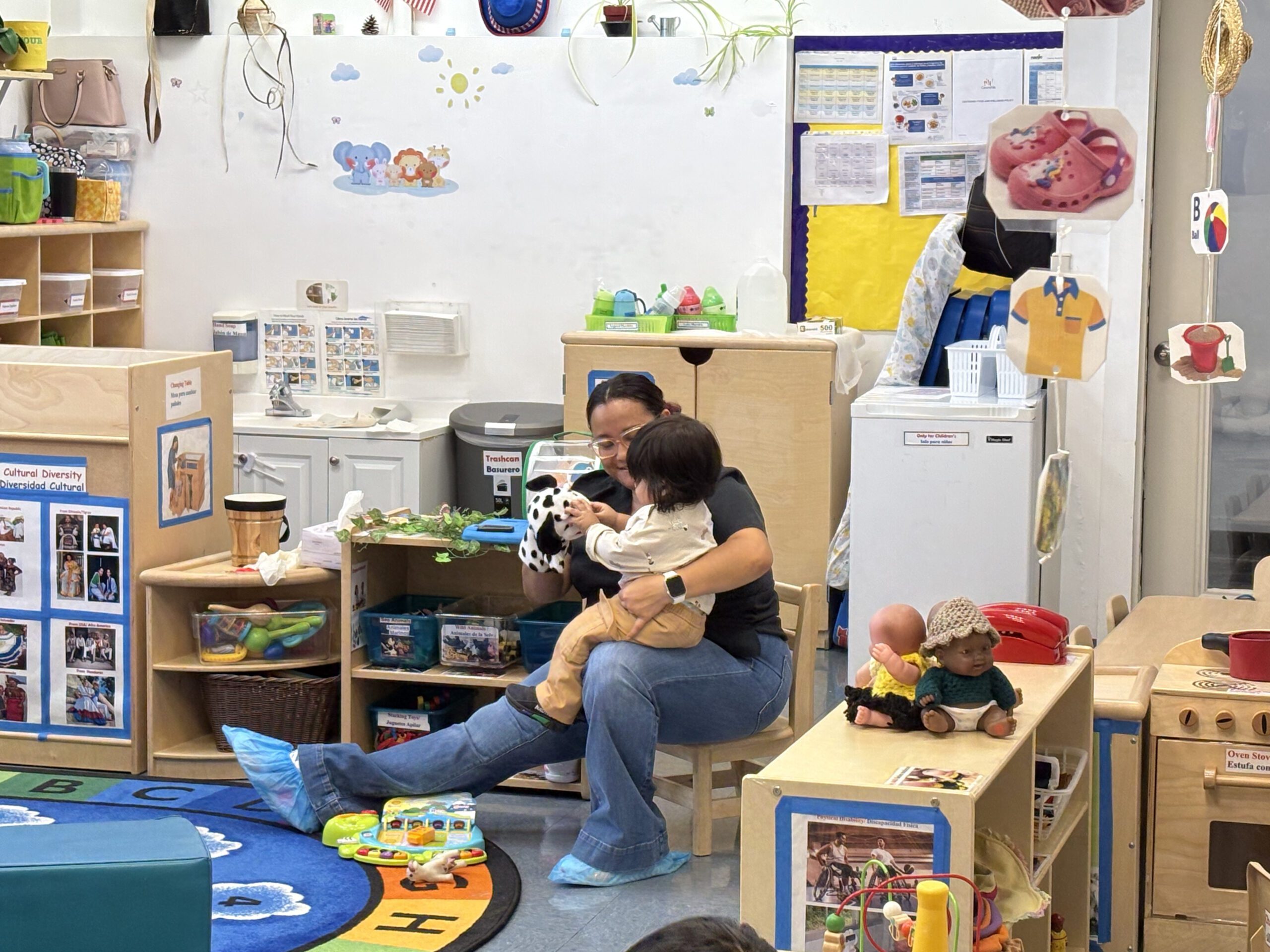
Child Development Associate (CDA) Training Program
About CDA Training Program
The Child Development Associate (CDA) Credential™ is the most widely required credential in early childhood education, provided by The Council for Professional Recognition. It is a key stepping stone on the path to career advancement in early education and care.
CentroNía’s Gold-Standard Child Development Associate (CDA) Training Program equips students with the knowledge they need to obtain their credentials. The program is based on a core set of competency standards that guide early care professionals as they work toward becoming qualified teachers. CentroNía offers its CDA training program in Spanish, English, and Amharic. CentroNía’s CDA program in Washington, D.C., is supported by grant funding from the Office of the State Superintendent of Education (OSSE).
Over the 6-month program (or 3-month accelerated program), CentroNía’s CDA candidates learn about:
The science of child development
Intentional planning to support child development
Developmentally-appropriate instruction & assessment
Supporting culturally and linguistically diverse children
How to individualize lessons for young children with special needs
In addition to instructional support, candidates receive technical assistance to assemble their professional portfolios. By the end of the program, candidates meet all of the application requirements to request and pass the CDA credentialing exam.
Over 20 years, more than 3,000 early childhood professionals graduated from the program and now work in centers across DC and Maryland.
CDA Eligibility & Requirements
High School Diploma or GED
18 years old and older
Current professional childcare experience in the District of Columbia (paid or volunteer) within the group setting you are applying for, including experience with young infants (birth–8 months), mobile infants (9–17 months), and toddlers (18–36 months) OR with children aged 3 through 5 years old (preschoolers).
We will need a letter from the director of your facility approving at least 120 hours of volunteer/work experience in a licensed center or family home daycare (you will need to complete 480 hours by the end of the program).
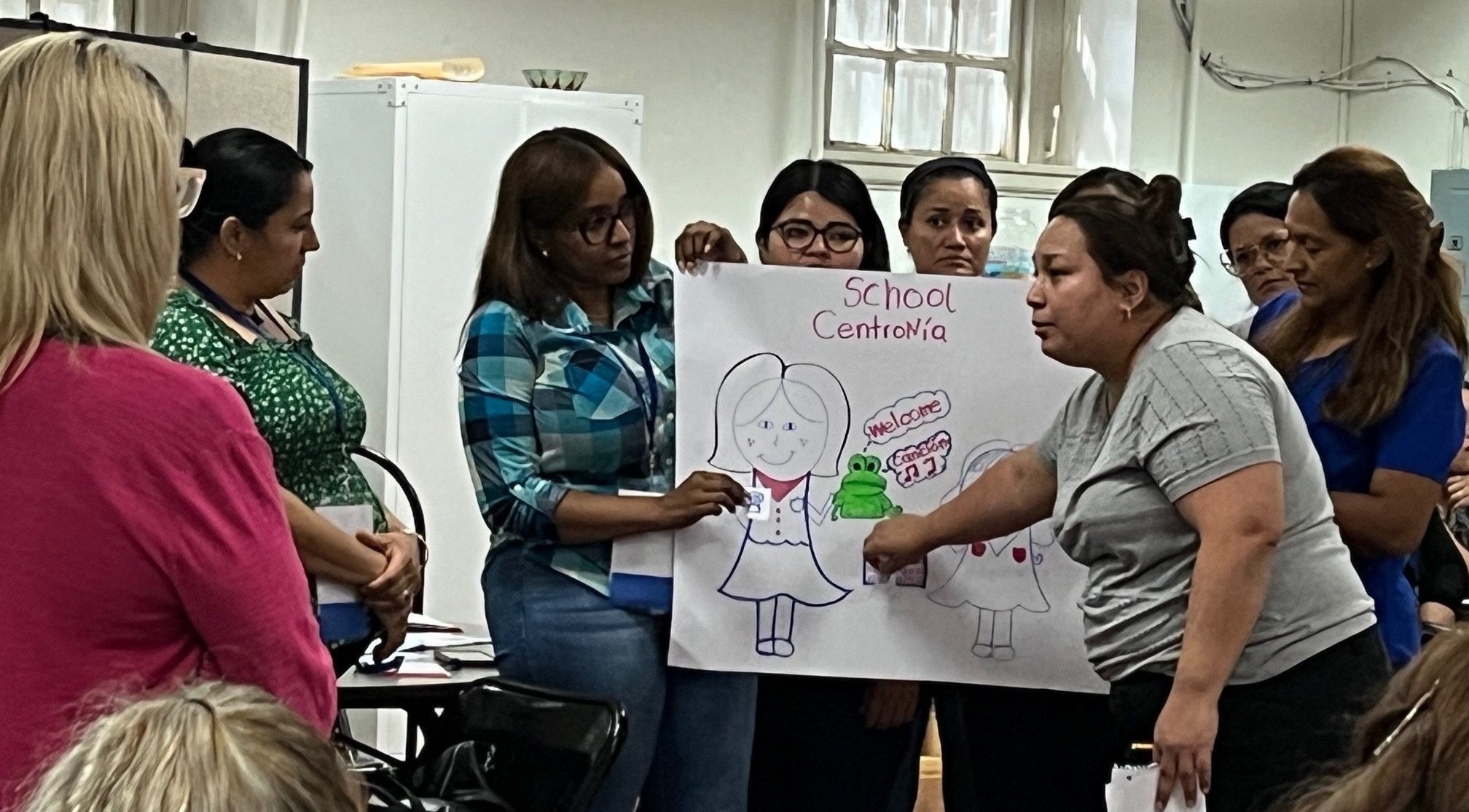
Special Education Multi-Disciplinary Team (SPED)
The CentroNía Institute, in partnership with the Office of the State Superintendent of Education (OSSE) through the Access to Quality Child Care Development (AQCCCD) multi-year grant, established a bilingual, multidisciplinary special education team (MDT) to provide early intervention support services to eligible children from birth to age three and their families. Through the MDT, CentroNía strengthens inclusive learning environments so that children of all abilities can thrive, while equipping parents and teachers with the resources and tools needed to support each child’s individual learning outcomes.
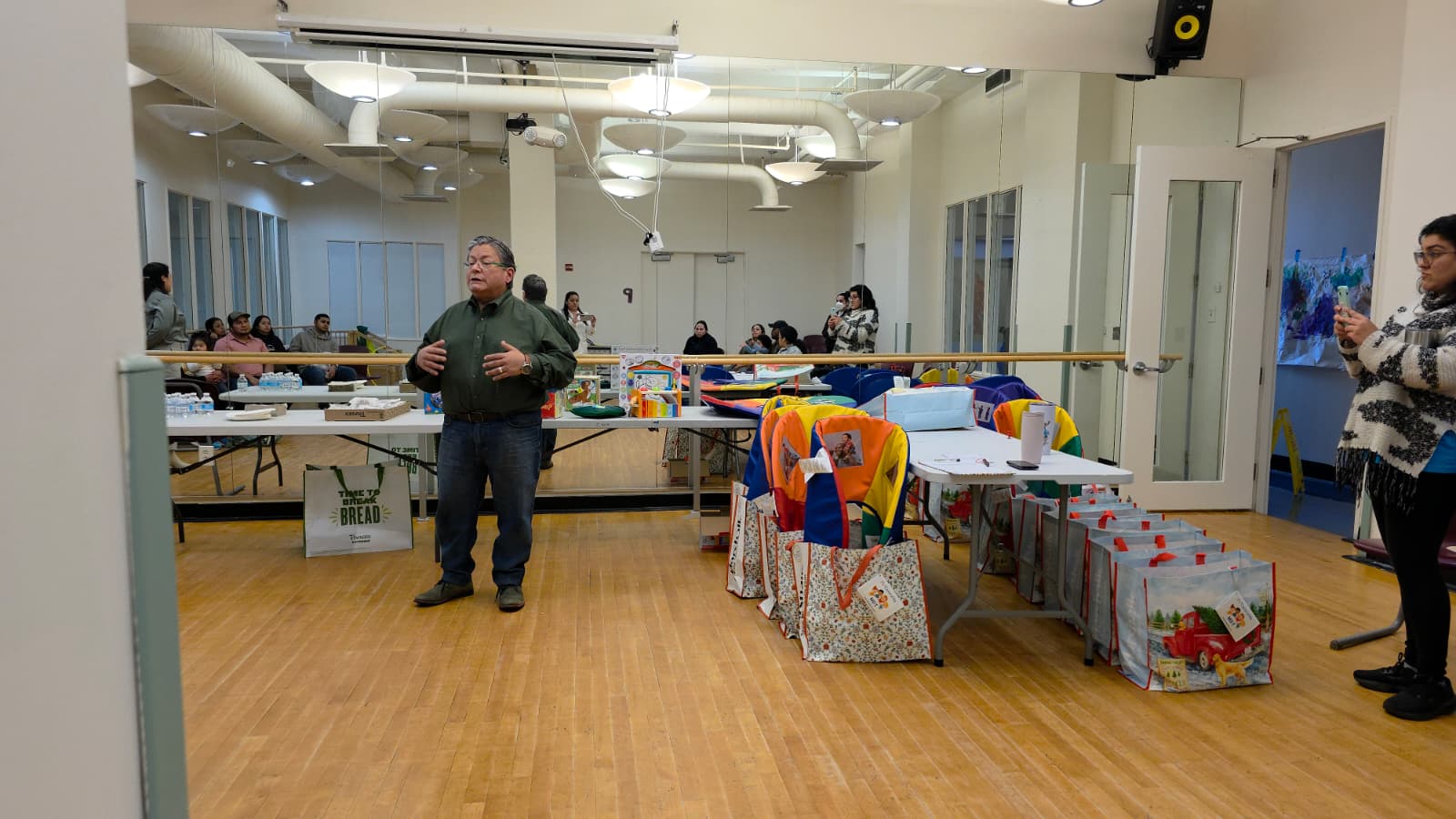
CentroNía Institute’s International Reach
World Economic Forum 2020 and World Economic Forum 2024

2025 Bright Star Foundation Annual International Conference on Early Childhood
Professional Development Offerings
CentroNía Institute Reflective Practice Approach (CIRPA)
What is the CIRPA Toolkit?
CIRPA is a toolkit for early care and education practitioners to strengthen their ability to sustain quality teacher-child interactions and create a stimulating, content-rich educational experience for children through intentional planning, documentation, assessment & reflective practices. CIRPA analyzes and provides tactics to improve scores for the ‘Instructional Support’ domain of the CLASS assessment, a scoring system used to evaluate the quality of early childhood classrooms. Along with the resources in the toolkit, CIRPA includes a professional development component followed by coaching and technical assistance cycles.
For more information about CIRPA, please contact Esteban Morales at Emorales@centronia.org.
Why CIRPA?
Current TeachStone data shows teachers score lower in Instructional Support when assessed through CLASS, which means early childhood teachers struggle to connect cognitive development theory and practice. With the appropriate tools and support, teachers can learn to interpret and apply the latest research on brain development, developing and strengthening the necessary skillset to foster children’s development by encouraging them to make connections.
The CIRPA toolkit is designed to:
- Enhance teachers’ understanding of child development
- Strengthen teachers’ capacity to support positive outcomes for young children across all domains of development throughout the preschool day
- Support directors and administrators in their role as educational leaders through coaching and reflective practice
- Provide tools for practitioners to strengthen the quality of teacher/child interactions and to create stimulating, content-rich educational experiences for young children.
- Teach and reinforce intentional planning, documentation, assessment, and reflective practices
CentroNía Institute offers a CIRPA Implementation Training that includes professional development, coaching, and technical assistance.
Typical and Atypical Brain Development
Early childhood educators play a critical role in recognizing early indicators of developmental delays in children from birth to age five. This training builds knowledge of typical and atypical brain development, including how early experiences shape neural connections and learning pathways. Educators will acquire practical tools to strengthen inclusive classroom environments, monitor developmental milestones, and collaborate with families, leadership, and specialists to connect children to appropriate early supports and interventions.
Typical and Atypical Language Development
Birth to age five is a critical window for language development, when children rapidly build vocabulary, comprehension, and expressive skills. This training builds knowledge of typical and atypical language milestones, with attention to multilingual learners. Educators will learn strategies to strengthen oral language and phonological awareness through music, storytelling, conversation, and shared reading.
Typical and Atypical Socioemotional Development
Social-emotional development lays the foundation in children from birth through five for self-regulation, relationships, and school readiness. This training examines typical and atypical patterns in attachment, emotional expression, peer-peer interaction, and behavior. Educators will gain strategies to foster responsive adult-child relationships, support children’s healthy emotional development, and identify when additional interventions may be needed.
Typical and Atypical Physical Development
Physical development in early childhood includes gross motor and fine motor growth that supports children’s independence and learning. This training reviews developmental milestones and signs of potential delays in coordination, strength, and motor planning. Educators learn how to design environments and activities that promote movement, safety, and inclusive participation for children of all abilities.
Second Language Acquisition
Children are uniquely equipped to acquire multiple languages during their earliest years. This training builds knowledge of second-language acquisition and dispels common myths about bilingual development and language delays in young children who are English Learners. Educators learn culturally- and linguistically responsive strategies that support dual language learners while honoring home languages and strengthening overall cognitive growth.
Feeding Development
Feeding development in early childhood encompasses nutrition, oral-motor growth, sensory processing, and the development of self-help skills. This training covers age-appropriate feeding schedules, pre-feeding and self-feeding skills, strategies for introducing new foods, supporting picky eaters, and safely addressing food allergies. Educators will learn to identify feeding difficulties early on, implement supportive mealtime practices, and collaborate with families, leadership, and specialists to ensure children receive the appropriate nutrition and early supports and interventions.
Classroom Management & Guiding Children’s Behavior
Challenging behaviors often communicate unmet needs, developmental differences, or environmental stressors. This training will help educators understand root causes of challenging behaviors and distinguish between typical developmental behaviors and those requiring additional support. Participants learn proactive, relationship-based strategies to promote regulation, positive behavior, and inclusive classroom communities.
Intentional Planning
Intentional planning ensures that instruction is developmentally appropriate, culturally- and linguistically-responsive, and aligned with learning goals. This training supports educators in using observation and assessment data to design meaningful, individualized learning experiences. Participants strengthen their ability to scaffold learning, differentiate instruction, and create inclusive environments that promote growth across all developmental domains.
Other Programs & Services

Early Childhood Education
High-quality, bilingual programs from 6 weeks to age 5.

Early Head Start
Home and Center-based high-quality care and education beginning from birth to age 3.

Extended Day
Engaging, arts-enrichment program that extends school-day learning for children ages 4 through 10 years old.

Food & Wellness
Engage and educate children and adults about the importance of instilling healthy behaviors early in life.

Catering Services
Cooking and serving fresh meals for childcare centers & schools in DC and Maryland.